

How Security Officers Support Emergency Preparedness and Response
- Posted by AFTER DARK DO NOT DELETE PLEASE
- On March 13, 2026
- 0 Comments
- Consulting & Training, elite security & staffing, Event Security, licensed security guards, Specialized Services
In this unpredictable world, businesses and organizations are expected to be ready for a wide range of emergencies, from natural disasters and medical incidents to fires, security threats, and workplace disturbances. While many companies focus on emergency plans, alarms, and safety equipment, one crucial element is often overlooked: trained security officers. Professional security personnel play a vital role in both emergency preparedness and real-time response, helping organizations protect people, property, and operations when unexpected situations occur.
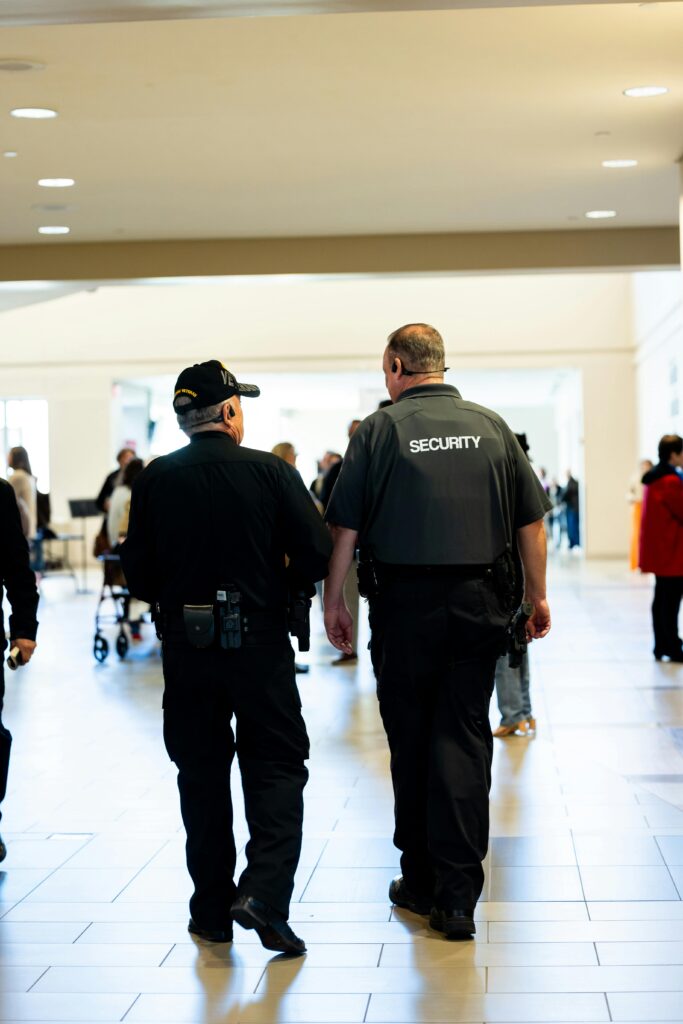
Security officers are often the first line of defense in an emergency. Their presence, training, and situational awareness allow them to detect potential risks early, coordinate effective responses, and help ensure that emergency procedures are carried out safely and efficiently. By integrating security personnel into emergency preparedness strategies, businesses can significantly strengthen their overall safety plans.
Proactive Risk Assessment and Prevention
Effective emergency preparedness begins long before a crisis occurs. Expert security officers contribute to this process by helping identify vulnerabilities and potential hazards within a facility or property. Through routine patrols and careful observation, they may notice safety concerns such as blocked emergency exits, malfunctioning security equipment, or suspicious behavior.
Security officers also play a role in monitoring access points and maintaining secure environments. By controlling who enters and exits a building, they help prevent unauthorized access that could lead to security threats or dangerous situations. Their vigilance reduces risks and helps ensure that only approved individuals are present within sensitive areas.
Additionally, many security professionals participate in safety planning and risk assessments. Their on-the-ground experience provides valuable insight into how emergencies might unfold in a real-world setting, helping organizations improve evacuation routes, communication strategies, and emergency procedures.
Rapid Response During Emergencies
When emergencies occur, time is critical. Security officers are typically among the first individuals to respond to an incident, making quick decisions that can help protect lives and minimize damage.
For example, if a fire alarm is triggered, trained security personnel can quickly verify the situation, guide occupants to safe exits, and ensure evacuation procedures are followed. In medical emergencies, they may provide basic first aid or CPR until emergency medical personnel arrive. Their immediate response can make a significant difference in stabilizing situations during those crucial first moments.
Security officers are also trained to remain calm under pressure. During emergencies, people often experience confusion or panic. A visible, confident security presence can help maintain order, provide clear instructions, and reduce chaos in stressful situations.
Coordinating with Emergency Services
Another important role of security officers is serving as a point of coordination between an organization and external emergency responders. When police, fire departments, or paramedics arrive on the scene, security personnel can provide critical information about the situation.
Because they are familiar with the facility’s layout, security officers can guide responders to the exact location of an incident, point out potential hazards, and help them navigate large or complex properties. This cooperation saves valuable time and allows emergency responders to act more efficiently.
Security guards may also manage access control during emergencies, ensuring that only authorized personnel enter restricted areas while keeping employees, visitors, and bystanders safely away from dangerous zones.
Supporting Evacuation and Crowd Management
During emergencies such as fires, severe weather events, or security threats, orderly evacuation is essential. Security officers help coordinate these efforts by directing occupants toward designated exits and ensuring that evacuation routes remain clear.
In large facilities, office buildings, event venues, or retail centers, managing crowds during an emergency can be challenging. Security officers are trained to guide people safely, prevent bottlenecks, and maintain calm during high-stress situations.
Their presence also helps ensure that vulnerable individuals, such as visitors unfamiliar with the building or employees who may need assistance, receive help during evacuations.
Maintaining Communication and Documentation
Clear communication is a cornerstone of effective emergency response. Security officers often act as communication hubs, relaying information between staff, management, and emergency services.
They may monitor surveillance systems, coordinate radio communications, and provide updates to ensure everyone involved has accurate and timely information. This organized communication helps prevent confusion and ensures that emergency procedures are carried out effectively.
After an incident, security officers also assist with documentation and reporting. Detailed incident reports help organizations review what occurred, evaluate their response, and identify improvements for future emergency preparedness.

Strengthening Your Emergency Preparedness Strategy
Emergency preparedness requires more than written plans and safety equipment. It requires trained professionals who can recognize risks, respond quickly, and guide others through difficult situations. Security officers provide the experience, training, and leadership needed to support organizations before, during, and after emergencies.
At Elite Security & Staffing, professionally trained security officers help businesses strengthen their safety strategies and respond effectively when unexpected situations arise. Whether protecting commercial properties, managing access control, or supporting emergency response procedures, their presence adds an essential layer of protection.
If your organization is looking to enhance its emergency preparedness and response capabilities, contact Elite Security & Staffing today to learn how experienced security professionals can help protect your people, property, and operations.